



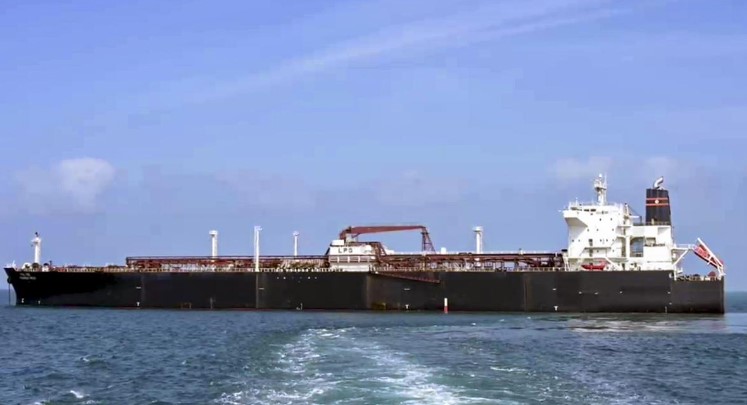
In a significant stride for India’s energy security, the Indian-flagged LPG carrier Nanda Devi successfully docked at Vadinar Port in Gujarat’s Devbhumi Dwarka district on Tuesday, March 17, 2026. Transporting approximately 46,500 metric tonnes of liquefied petroleum gas, the vessel’s arrival marks the second successful transit of a critical fuel carrier through the volatile Strait of Hormuz in just 48 hours. The mission follows the docking of the carrier Shivalik at Mundra Port a day prior, collectively reinforcing the national gas grid during a period of heightened geopolitical instability in West Asia. Upon its arrival, the Nanda Devi immediately commenced a high-priority ship-to-ship transfer to a “daughter vessel,” the MT BW Birch, which is slated to distribute the essential cargo to the ports of Ennore in Tamil Nadu and Haldia in West Bengal to meet domestic demand across the eastern coast.
The safe passage of the vessel was the result of a meticulously coordinated effort between the Ministry of Ports, Shipping and Waterways, the Shipping Corporation of India, and the Indian Navy, with rare diplomatic cooperation from the Iranian Navy ensuring a secure transit through one of the world’s most sensitive maritime chokepoints. This logistics achievement is particularly vital as India currently imports nearly 60% of its LPG requirements, with recent regional conflicts having led to supply curtailments for commercial and industrial users. Sushil Kumar Singh, Chairman of the Deendayal Port Authority, highlighted the urgency of the operation, noting that the ministry has mandated “top priority” handling for all incoming energy vessels to eliminate procedural bottlenecks and stabilize the domestic market.
As the Nanda Devi begins its two-day discharge process at a rate of 1,000 tonnes per hour, government officials have reassured the public that these shipments will significantly alleviate fears of a fuel shortage. The successful voyage has also served as a morale booster for the maritime community, especially with 22 other Indian-flagged vessels and over 600 seafarers still operating within the Persian Gulf. With the crude oil tanker Jag Laadki also en route with 81,000 tonnes of UAE-sourced oil, India’s proactive maritime strategy and diplomatic engagements continue to secure the nation’s energy lifelines despite the ongoing global energy crisis













+ There are no comments
Add yours