





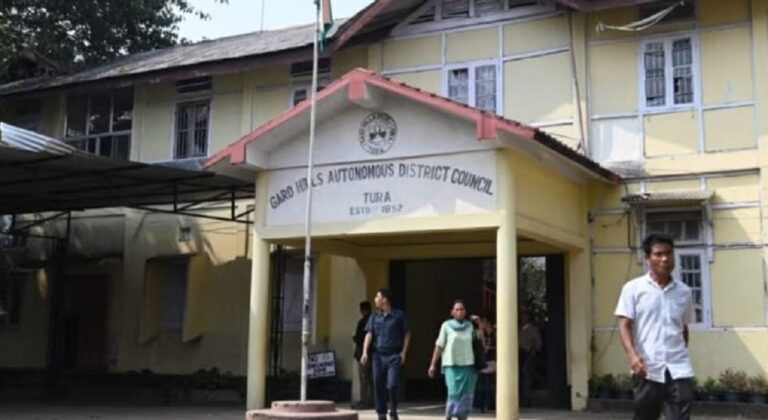
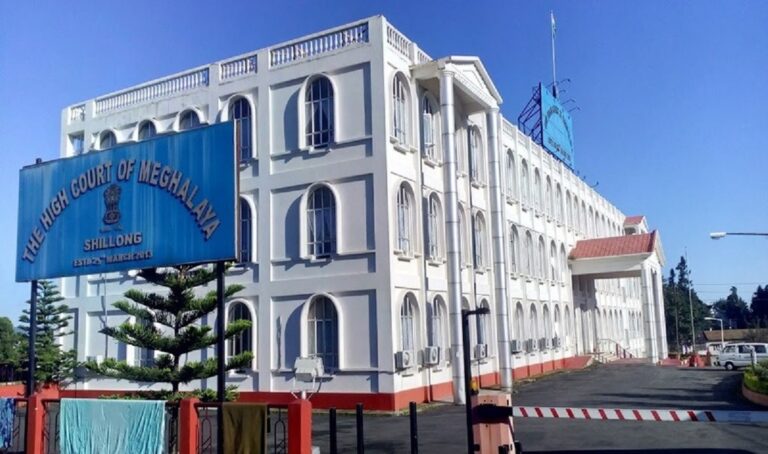
The Meghalaya High Court has set aside a notification issued by the Garo Hills Autonomous District Council (GHADC) that made Scheduled Tribe (ST) certificates compulsory for candidates contesting the upcoming council elections.The court said the order could not stand because it did not follow the proper legal procedure required under existing rules. The notification had been issued by the Chief Executive Member of the council after a resolution adopted by its Executive Committee last month.Through the notification, the council had made it mandatory for all candidates to produce an ST certificate to contest the GHADC elections. The move effectively prevented non-tribal candidates from entering the electoral contest.The order was challenged before the High Court by a voter. The petitioner argued that the notification violated the Assam and Meghalaya Autonomous Districts (Constitution of District Councils) Rules, 1951. These rules define the qualifications of voters and candidates in district council elections.During the hearing on March 10, the petitioner’s senior counsel told the court that the notification had the effect of removing the rights of non-tribal voters and candidates without any formal amendment to the existing rules. The counsel argued that such a change could not be made through an executive notification.
The lawyer also pointed out that the required procedure had not been followed. According to the 1951 Rules, any change in the rules must first be approved by the District Council and then receive the consent of the Governor under Rule 72 before it can come into force.It was also brought to the court’s notice that non-tribals have been participating in GHADC elections for decades. Since the council was formed in 1952, non-tribal candidates have contested elections and some have also served as members of the council.The GHADC, while defending the decision, told the court that the notification was issued to safeguard tribal interests in the region. The council said the Executive Committee had used its emergency powers to introduce the requirement in view of demographic changes.
However, the High Court observed that the Executive Committee does not have the authority to directly enforce such changes. The committee can only recommend or propose amendments to the rules. These proposals must then be placed before the District Council and later approved by the Governor before they become valid.The court noted that the proper legislative process had not been followed in this case. As a result, the notification could not be legally sustained.“The notification cannot pass legal scrutiny and is set aside and quashed,” the court said while disposing of the writ petition.














+ There are no comments
Add yours