


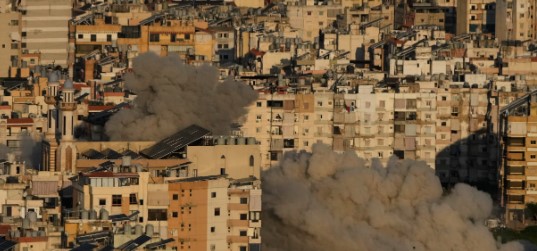
India officially participated in the inaugural meeting of President Donald Trump’s “Board of Peace” in Washington, D.C., on February 19, 2026, though it notably opted for “observer” status rather than full membership. Represented by Namgya Khampa, the Chargé d’affaires at the Indian Embassy, New Delhi joined representatives from over 40 countries at the Donald J. Trump Institute of Peace to discuss the massive reconstruction of the war-torn Gaza Strip. During the session, President Trump pledged a $10 billion U.S. contribution to the initiative and announced that member nations—including Saudi Arabia, the UAE, and Pakistan—have committed an additional $7 billion toward a relief package. The summit also saw the formation of an International Stabilization Force, with countries like Indonesia and Morocco pledging troops to secure Gaza as it undergoes rebuilding.
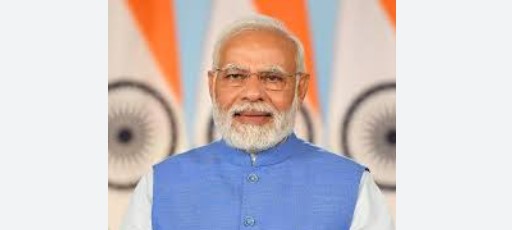
By attending as an observer, India is performing a careful diplomatic balancing act, maintaining its “strategic autonomy” while staying informed about a body that Trump has positioned as a high-powered, deal-driven alternative to the United Nations. While Prime Minister Narendra Modi was personally invited to join the board, India has yet to take a final call on permanent membership, which reportedly requires a $1 billion contribution. Indian officials are likely weighing the implications of joining a board that includes rivals like Pakistan and Turkey, and which currently lacks direct Palestinian representation. However, India’s presence underscores its commitment to regional stability in West Asia and its desire to ensure that any reconstruction efforts align with its long-standing advocacy for a two-state solution and international humanitarian standards.
The meeting also served as a platform for President Trump to issue broader geopolitical warnings, most notably setting a 10-to-15-day deadline for Iran to reach a “meaningful” nuclear deal to avoid further escalation. For India, the deliberations of the Board of Peace are crucial, as the region’s stability directly impacts its energy security and the welfare of millions of Indian citizens working in the Gulf. As the board begins its work in sectors like Rafah, India’s observer role allows it to protect its interests and offer its expertise in digital and medical infrastructure without fully committing to a controversial new international order that seeks to bypass traditional UN mechanisms.








+ There are no comments
Add yours