
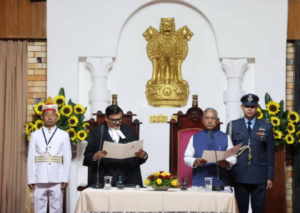



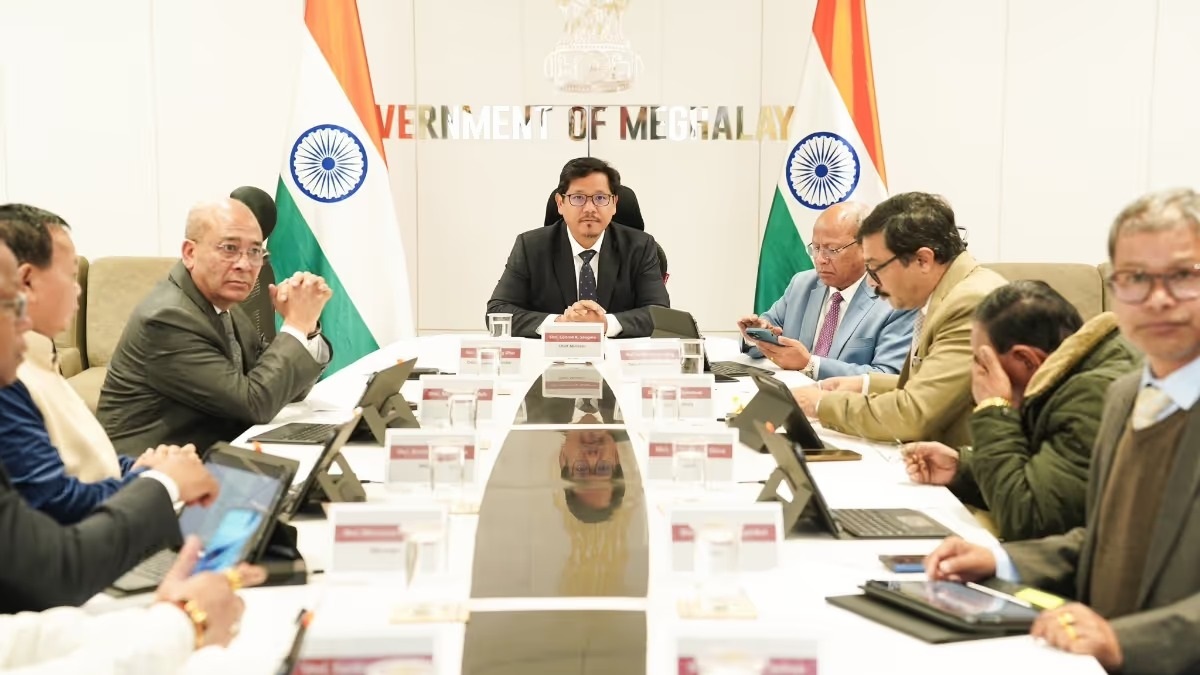
The Expert Committee on Reservation Policy, which presented its findings in the Meghalaya Assembly, has recommended that the existing 1972 Reservation Policy remain unchanged. This conclusion followed extensive consultations with various stakeholders, including tribal bodies, civil society groups, and ordinary citizens, who largely expressed a preference for maintaining the current framework without significant modifications. The committee insisted on adhering to constitutional principles, emphasizing that reservation in government jobs should not solely depend on the population size of tribes or communities but must consider deeper criteria such as social and educational backwardness, historical injustices, and under-representation in public services.
A contentious issue addressed was that reservation cannot be allocated based on religion, as the Constitution restricts affirmative action to socio-economic disadvantages and under-representation rather than religious affiliations. Regarding the Economically Weaker Sections (EWS) quota, the committee opined that it is a distinct category that should not be applied to those already benefiting from existing reservations like Scheduled Castes, Scheduled Tribes, or Other Backward Classes.
One significant recommendation introduced was to extend the “carry forward” rule for unfilled reserved vacancies from one year to three years. The committee believes that this change, which has seen judicial approval in other instances, would assist in addressing backlog issues more effectively without compromising the system’s integrity. It also broached the possibility of sub-classification within reserved categories, but only contingent upon the government collecting substantial and precise data substantiating the necessity for such a move.
In terms of provisions for persons with disabilities, the committee asserted that the current regulations, particularly the Rights of Persons with Disabilities Act of 2016, along with Meghalaya’s regulations, already provide adequate protection and reservation.
Looking ahead, the committee identified educational challenges in Garo Hills and recommended that the state implement targeted programs aimed at enhancing educational quality and student performance. Lastly, it emphasized the need for strict and transparent application of the reservation roster in all recruitment processes.














+ There are no comments
Add yours